
What if the future of affordable aq...
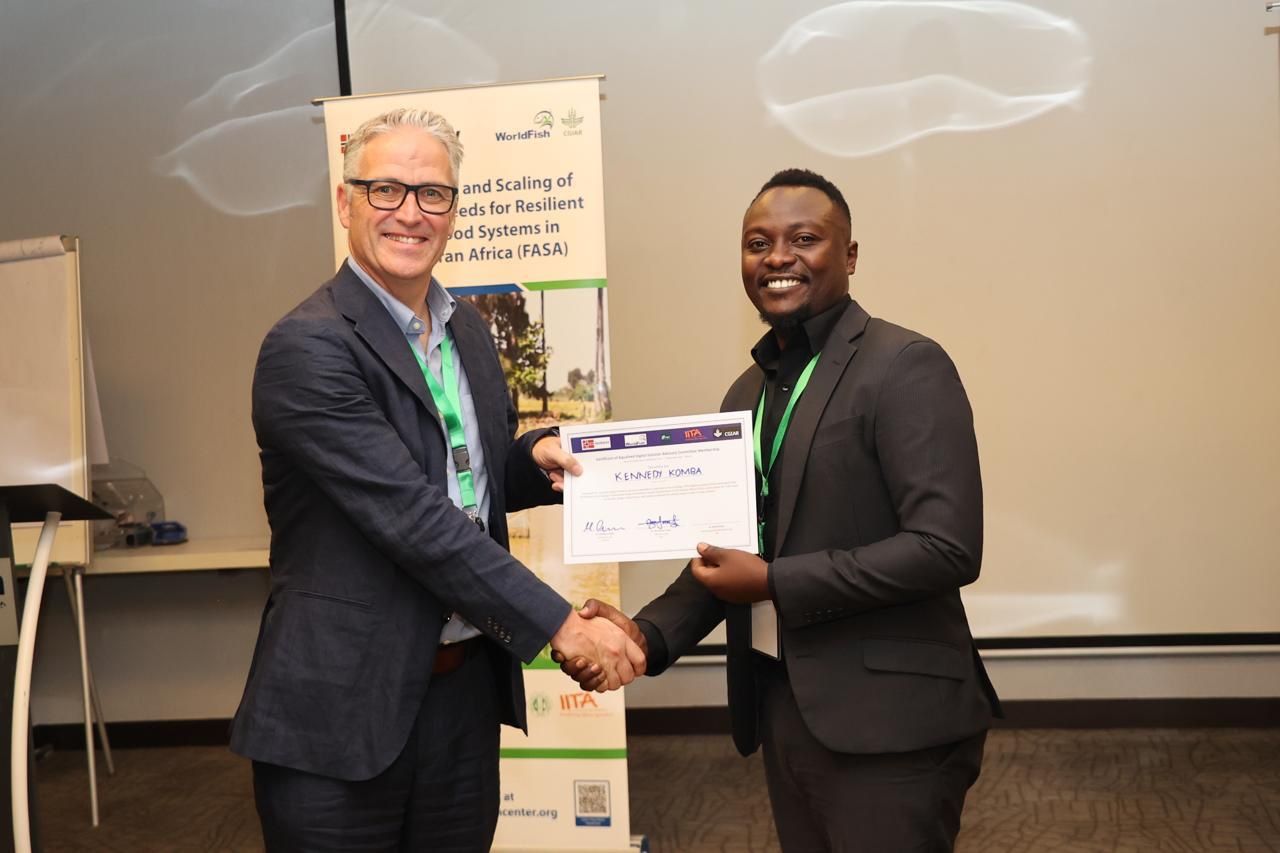
We were represented by COO Kennedy Comba...
We were represented by COO Kennedy Comba at the Kenya Aquafeed Sector Stakeholder Forum, convened under the Development and Scaling of Sustainable Feeds for Resilient Aquatic Food Systems in Sub-Saharan Africa (FASA), funded by Norad - Norwegian Agency for Development Cooperation and led by WorldFish together with partners including ICIPE - International Centre of Insect Physiology and Ecology , with partners including IITA. The forum brought together researchers, feed manufacturers, farmers, digital platforms and financiers to explore local-ingredient data, formulation, digital tools, market integration and financing.
One message stood out: farmers don’t experience aquaculture as separate sectors.
Everything is connected.
That is why TAC built its model differently ;five divisions spanning Production (Jumbo Fish Farm), Feed (Viking Feeds), Processing (Vemric Fish Processors), Ingredients (Kamida Enterprises Ltd) and Digital (AgriGrowth ).
This positions TAC as both an ecosystem enabler and an operator with real-world environments where solutions can be tested, refined and validated.
Across TAC’s ponds, cages and aggregated smallholder networks, we track factors such as growth, FCR, stocking density, mortality and water quality, creating a continuous feedback loop between farm performance, feed and decision-making.
So the real question is not simply, “What is the best feed formulation?”
It is: What formulation performs best for this farmer, under these conditions, using locally available and economically viable ingredients?
AgriGrowth is being built around that question not as a farm-recording app, but as a decision-support platform linking production, feed, fish health, traceability, advisory and market access.
This also requires strong partnerships. Our work with BioMar reflects the value of combining nutrition expertise and farmer training with local production and field data.
The opportunity now is to move from individual solutions to models that can be validated and scaled across Kenya and East Africa.
Scaling aquaculture is not about one organisation doing everything. It is about building an ecosystem that works for the farmer.
What would it take to build that ecosystem for Kenya and East Africa?
https://www.linkedin.com/feed/update/urn:li:activity:7504865639644405760
We were represented by COO Kennedy Comba...
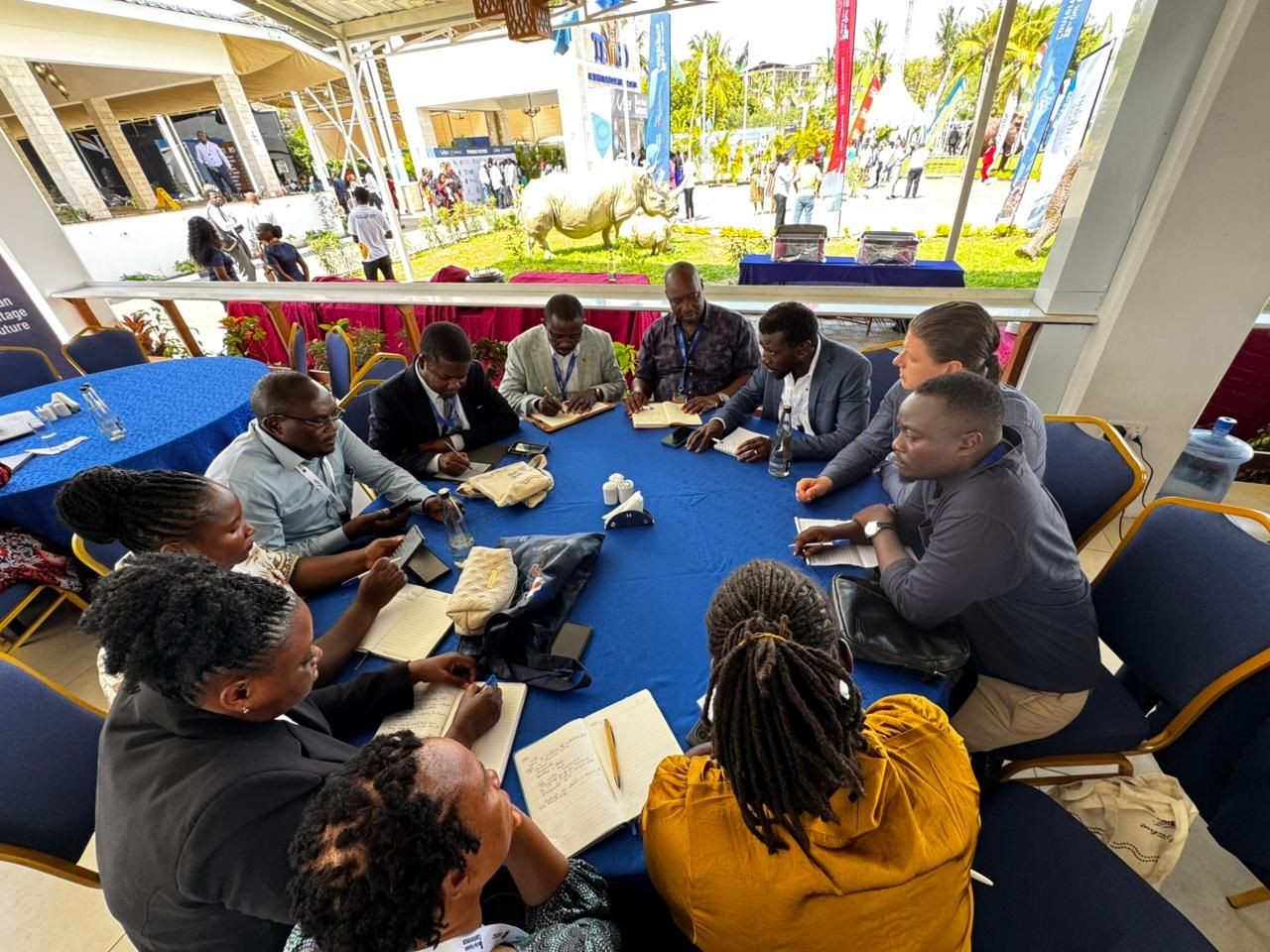
During #OurOceanKenya, we had a producti...
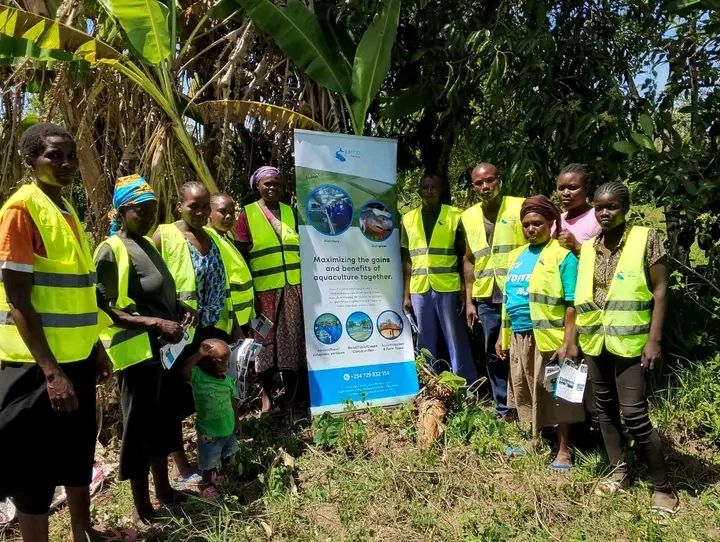
Aquaculture has never had a shortage of ...
Unlocking the potential of Kenya's aquaculture through strategic partnerships and sustainable innovation.
Partner With Us