
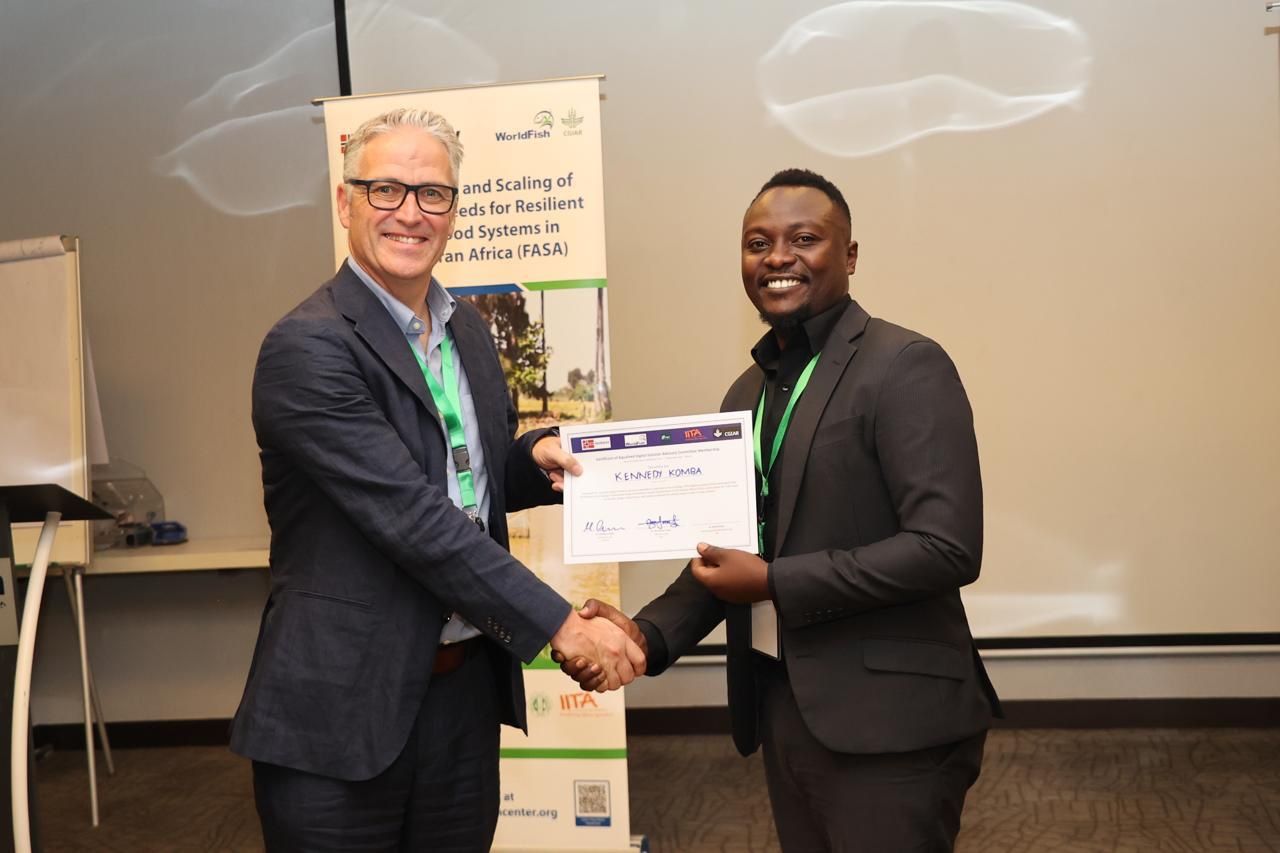
What if the future of affordable aq...
We were represented by COO Kennedy Comba...
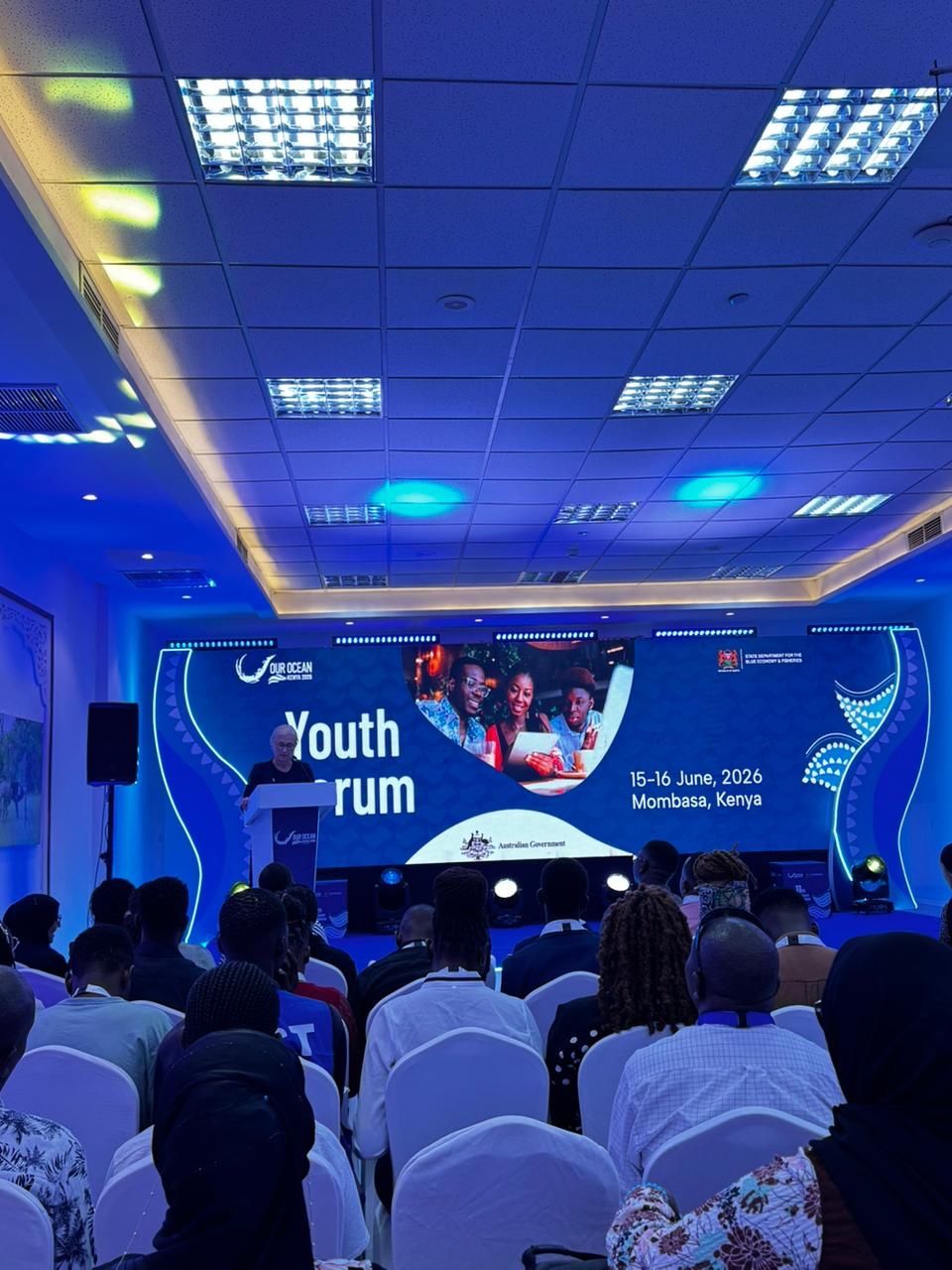
Day 2 at #OOC11 carried one strong message for us: the blue economy must be built with communities and young people at the centre.
At the Catalyzing Community-Led Ocean Action learning exchange convened by Rare and Coastal 500, the discussion focused on local leadership, community stewardship, Indigenous Peoples and Local Communities, exchange learning and the importance of protecting traditional knowledge through Free, Prior and Informed Consent.
Those themes strongly connect with our work around lake-region communities, BMUs, farmer groups and aquatic food value chains, where local knowledge, governance and practical participation are essential to building systems that last.
At the Youth Forum, Australia’s High Commissioner to Kenya, Jenny Da Rin , encouraged young people to take hands-on skills seriously and recognise the growing role of digital technology in the blue economy. Dr. Rahma Adam from WorldFish also highlighted the opportunities for youth employment across production, processing, value addition, cold-chain logistics and market linkages.
These conversations speak directly to the work we do: supporting aquaculture training and farm-level learning, strengthening hatchery and production systems, linking producers to processing and markets, using digital tools for farmer profiling and traceability and creating youth and women-focused pathways through initiatives such as YoungFish Kenya and Girls in Aquaculture Kenya.
The takeaway is clear. Ocean action becomes meaningful when it creates practical skills, stronger community systems and real opportunities across the aquatic food value chain.
#OurOceanKenya #OOC11 #OurOceanConference #BlueEconomy #Aquaculture #SustainableFisheries #YouthInBlueEconomy #CommunityLedOceanAction #AquaticFoodSystems #TheAquacultureConsortium
We were represented by COO Kennedy Comba...
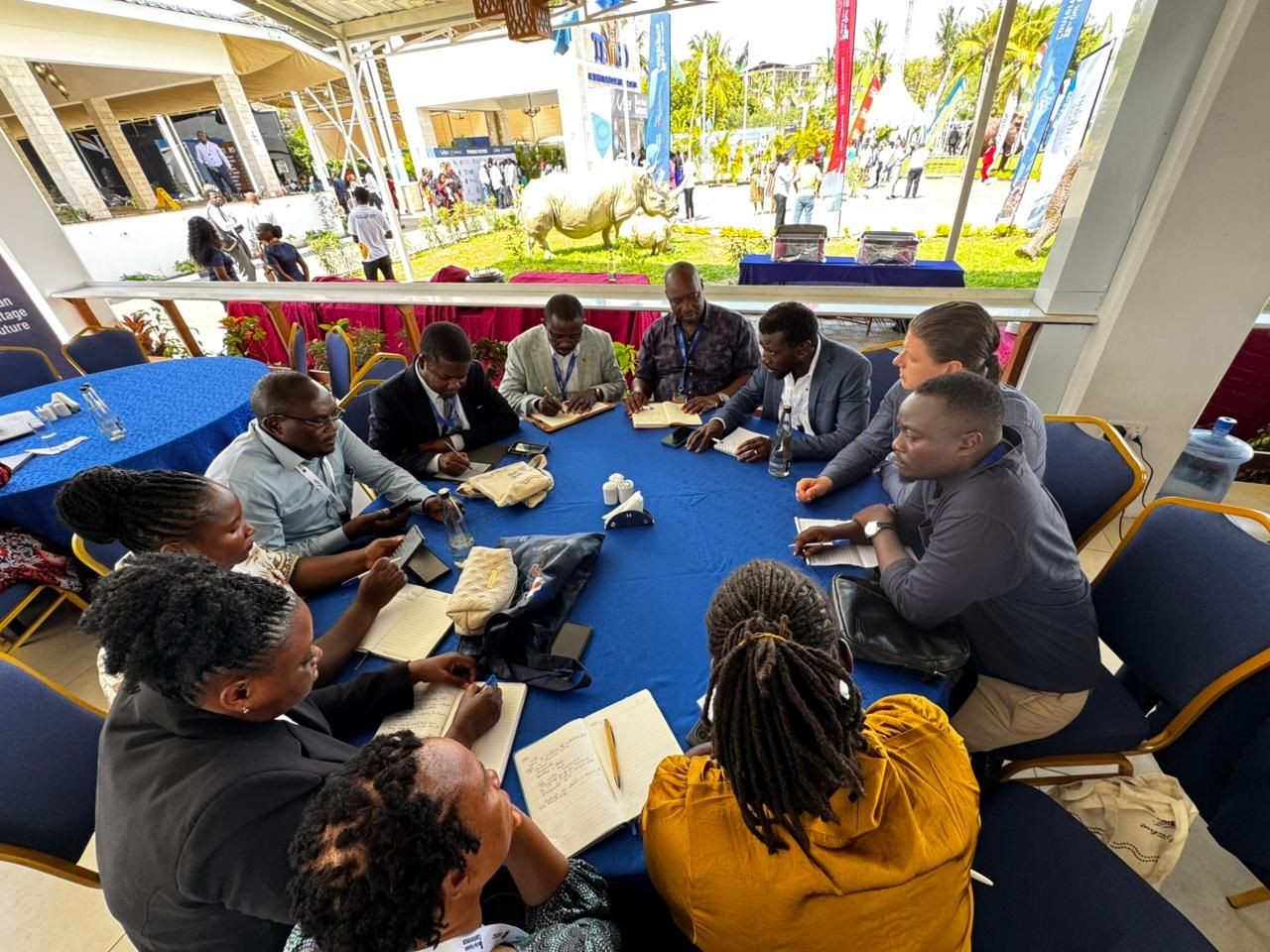
During #OurOceanKenya, we had a producti...
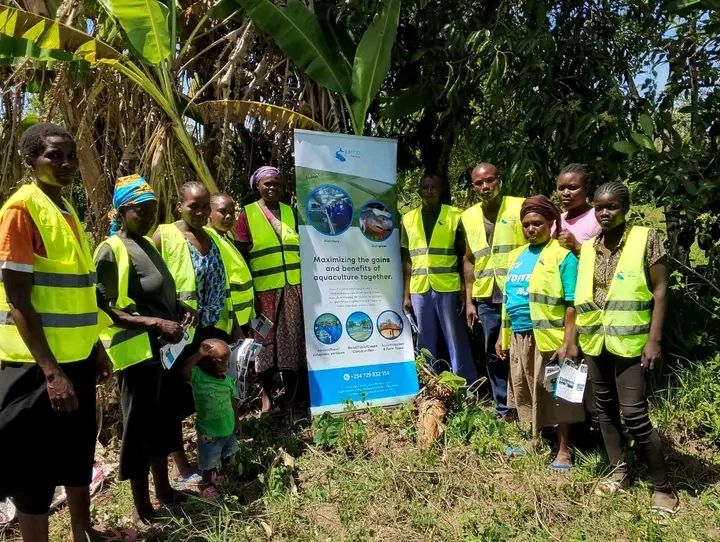
Aquaculture has never had a shortage of ...
Unlocking the potential of Kenya's aquaculture through strategic partnerships and sustainable innovation.
Partner With Us