
Strengthening Regional Value Chains...
Over recent months, The Aquaculture Cons...
Aquaculture has never had a shortage of activity. Farmers are producing, processors are trying to scale, youth and women are finding entry points, and demand for fish continues to grow. The harder question is whether the sector is organised enough for finance to see it clearly.
That question has followed our work for some time. During the "From Fish Deficit to Aquaculture Powerhouse" dialogue we hosted in Kisumu, one of the recurring issues was that Kenya’s aquaculture opportunity cannot be unlocked by production alone. The sector also needs financing, technology, structured markets, better data and stronger support for small-scale farmers, who carry a significant share of local fish supply.
Nearly two weeks on from the WRI-led session on Closing the Data-Finance Gap for Locally Led Ocean Action, held during #OOC11, the same message still stands out. Less than 10% of ocean-related funding reaches community-level actors, not necessarily because local work is weak, but because finance systems often struggle to read what is happening closest to implementation.
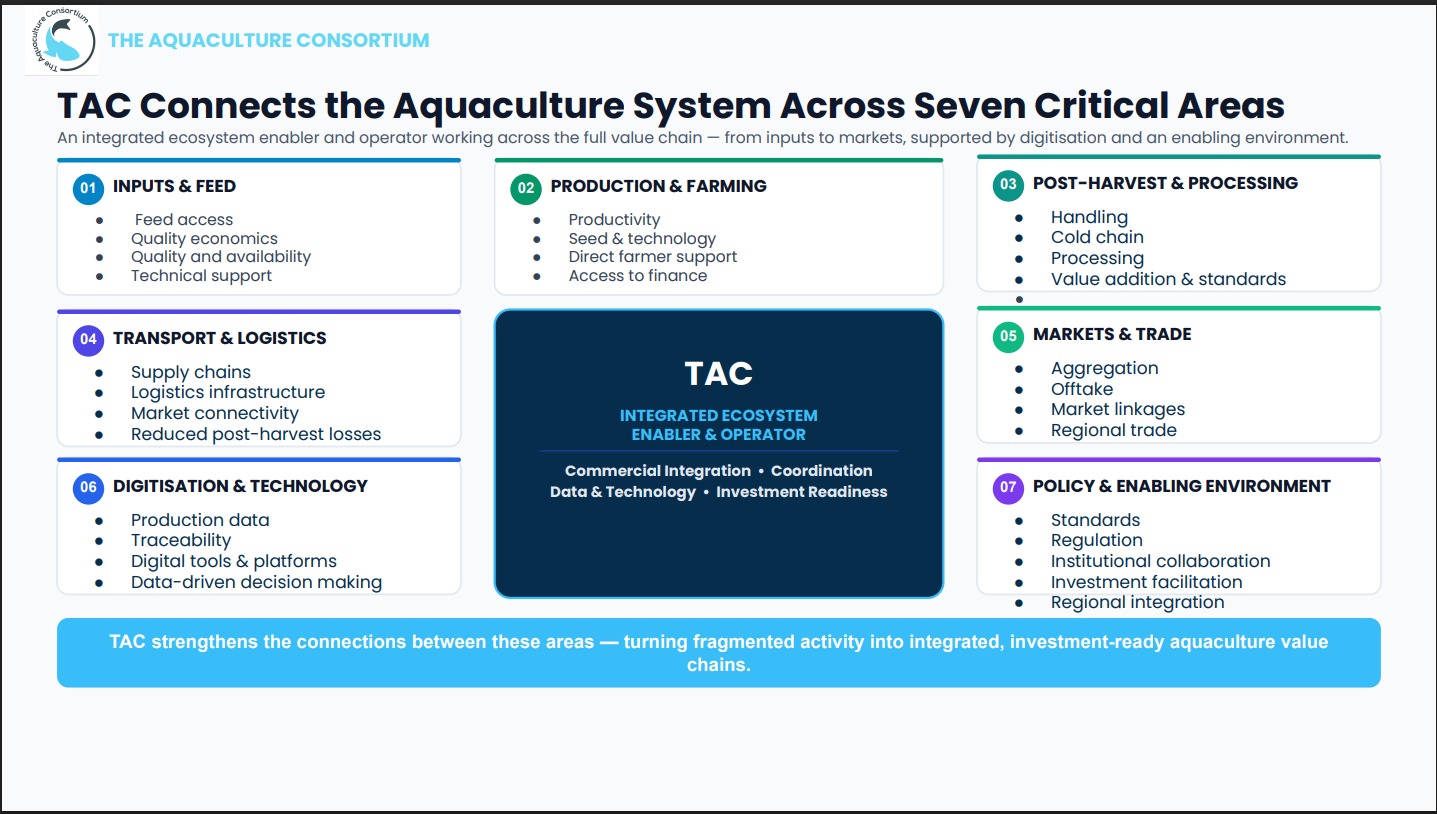
That is why our work is moving beyond conversations about potential into systems that make aquaculture easier to support, finance and scale. Through AgriGrowth/eSamaki, we are strengthening farmer profiling, production records, traceability, market visibility and credit readiness so farmers, enterprises and value-chain actors become more visible, organised and easier to back.
This matters across the entire chain. A farmer with records can be understood better by technical partners and financiers. A processor with reliable sourcing and sales visibility can make a stronger case for working capital. A BMU or producer group with clearer supply data can support better aggregation. A youth or women-led enterprise with market records, training history and traceability is no longer just “promising”; it becomes easier to assess, support and grow.
It also connects to our wider de-risking approach: stronger governance, clearer production data, traceable supply chains, quality inputs, farmer support, market linkages and enterprises that can show both impact and commercial logic.
Capital does not move on ambition alone. It moves where there is proof, structure, accountability and a clear path to repayment or return. That is the industry work we are committed to: making aquaculture more visible, organised, bankable and investable while keeping the people closest to production at the centre.
What would it take for more aquaculture enterprises and local value-chain actors to become visible enough for finance to trust them?
#TheAquacultureConsortium #Aquaculture #AquaticFoodSystems #AquacultureFinance #Traceability #InvestmentReadiness #BlueEconomy #FoodSecurity #KenyaAquaculture #OurOceanKenya #OOC11
Over recent months, The Aquaculture Cons...
Knowledge alone does not unlock growth. ...
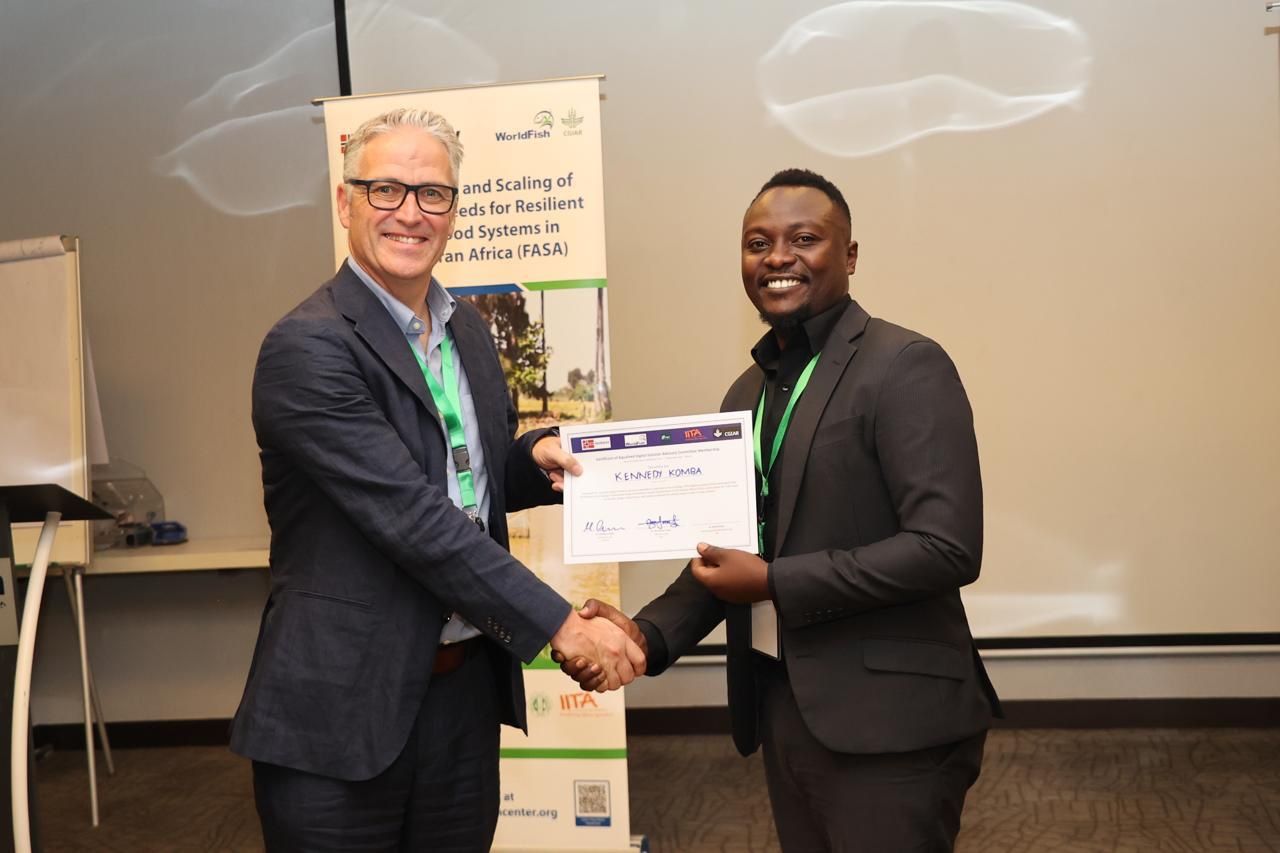
We were represented by COO Kennedy Comba...
Unlocking the potential of Kenya's aquaculture through strategic partnerships and sustainable innovation.
Partner With Us