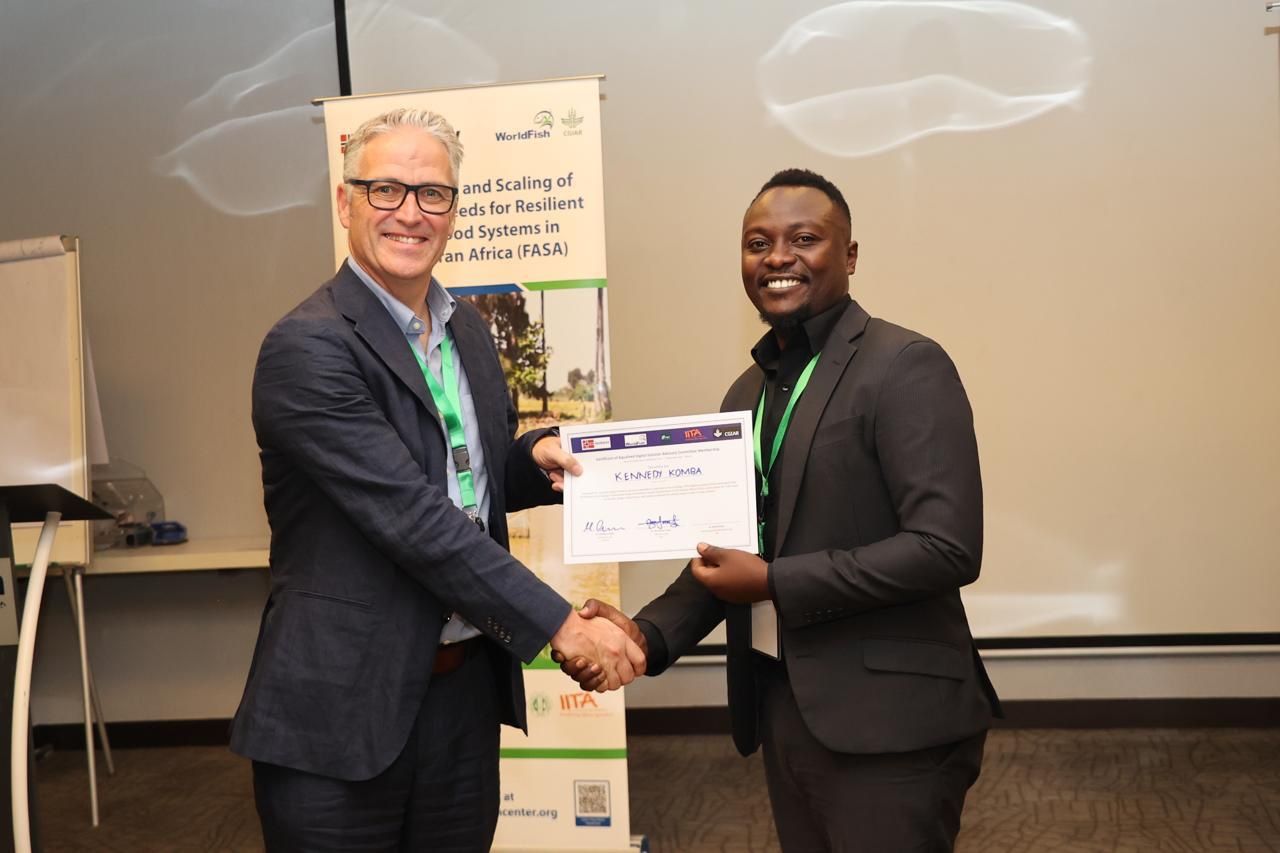
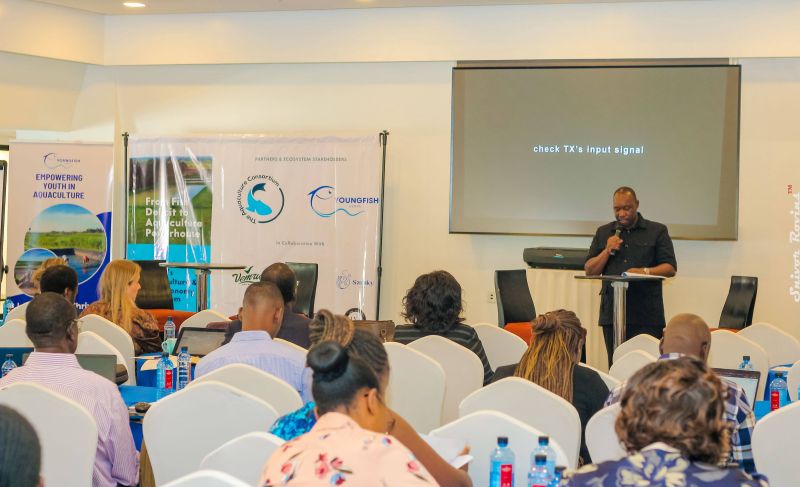
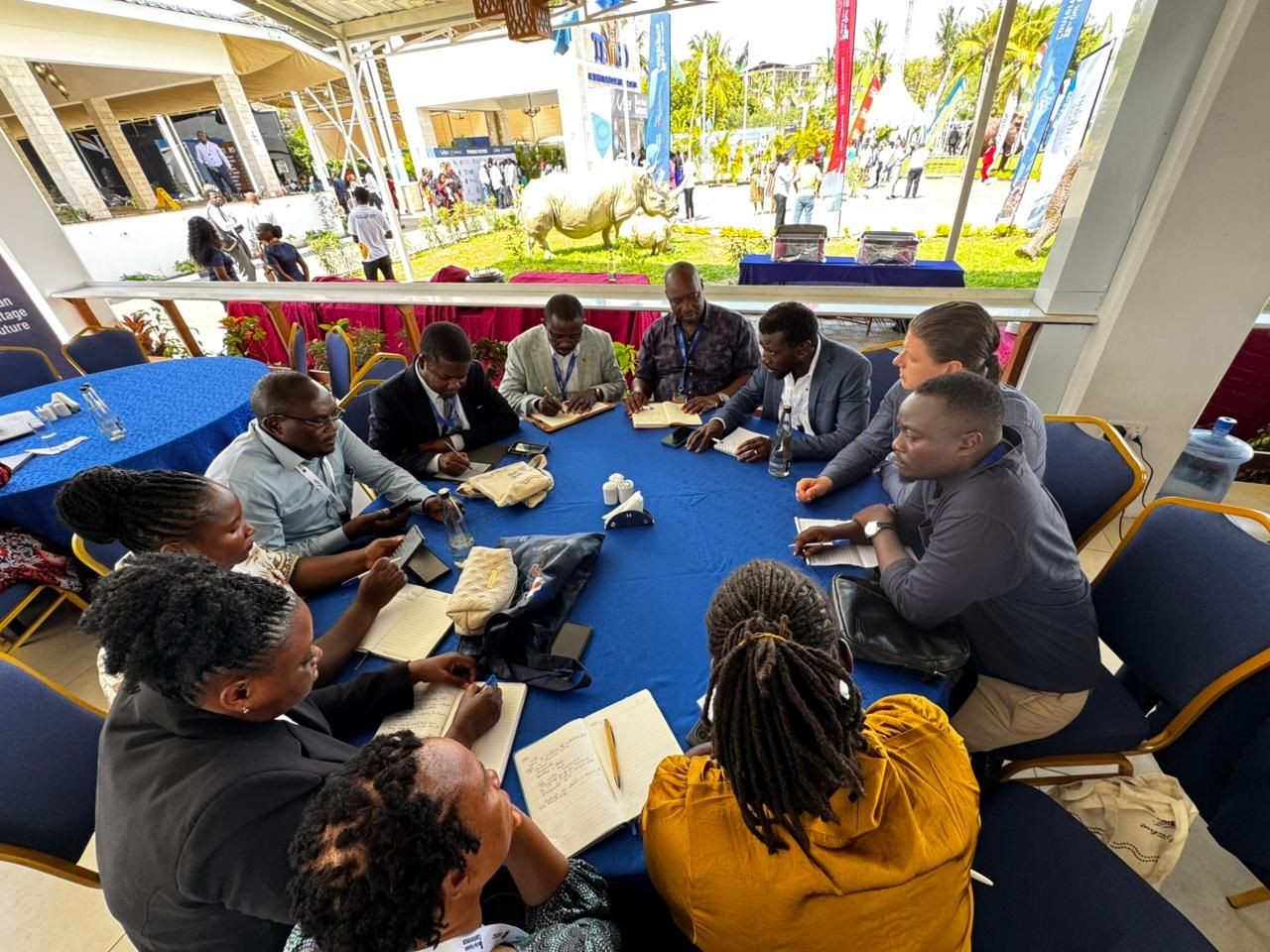
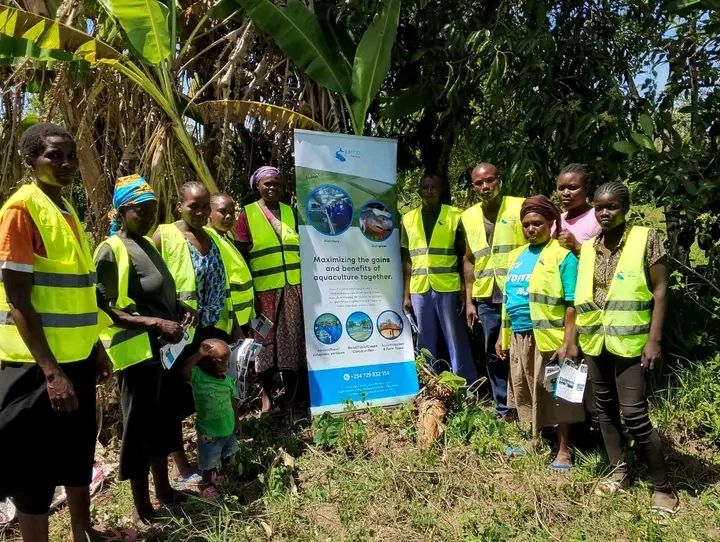
On 26 March in Kisumu, we convened a focused high-level dialogue on aquaculture and the blue economy, bringing together actors from across the ecosystem; government, private sector, finance, research and youth platforms.
Organized by The Aquaculture Consortium (TAC) in collaboration with the State Department for Blue Economy and Fisheries, Kenya Marine and Fisheries Research Institute (KMFRI) OFFICIAL , Council of Governors Blue Economy Committee, Lake Victoria Aquaculture Association(LVA), NAYA Africa | Youth in Aquaculture , Samaky Hub and Wavu , the room brought together industry practitioners and decision-makers and the conversations were candid, practical and long overdue.
Kenya consumes roughly 4–5kg of fish per capita, compared to an African average of ~10kg and a global average of 20kg+.
Demand is rising but production is not keeping pace.
The gap isn’t demand, it’s execution.
Across discussions, a few realities stood out:
• The sector remains fragmented, limiting scale and coordination
• Finance exists, but is not effectively reaching SMEs and producers
• Youth are interested and entering the space, but lack clear, structured pathways
And perhaps most importantly:
Aquaculture must shift from being treated as a development issue ? to a competitive, investable industry.
We also confronted a critical disconnect:
Funding and programs are available but uptake remains low. Why?
Because access is not just about availability:
• Limited awareness and visibility of opportunities
• Few practical entry points (skills, apprenticeships, asset financing)
• Weak linkages between training, finance, and market systems
This is where the real opportunity lies.
With Competency-Based Education (CBE) already exposing students to aquaculture, and initiatives like YoungFish coming in to build interest early, there is a clear pathway emerging to:
• Introduce aquaculture from a younger age
• Bridge the gap from learning to practice
• And build a pipeline of skilled, investment-ready youth
Encouragingly, the dialogue didn’t stop at challenges, it marked the rollout of key ecosystem initiatives aimed at closing these gaps:
• YoungFish Kenya & Girls in Aquaculture Kenya
• AgriGrowth / eSamaki Digital Platform
• Early-stage work on a catalytic blended finance mechanism
These are not standalone efforts, they are part of a broader shift towards coordination, scalability and long-term sector growth.
This is where the work begins.
Stay tuned, this is the first of a series of reflections capturing insights from across the dialogue.
https://www.linkedin.com/feed/update/urn:li:activity:7443705731805085696