
What if the future of affordable aq...
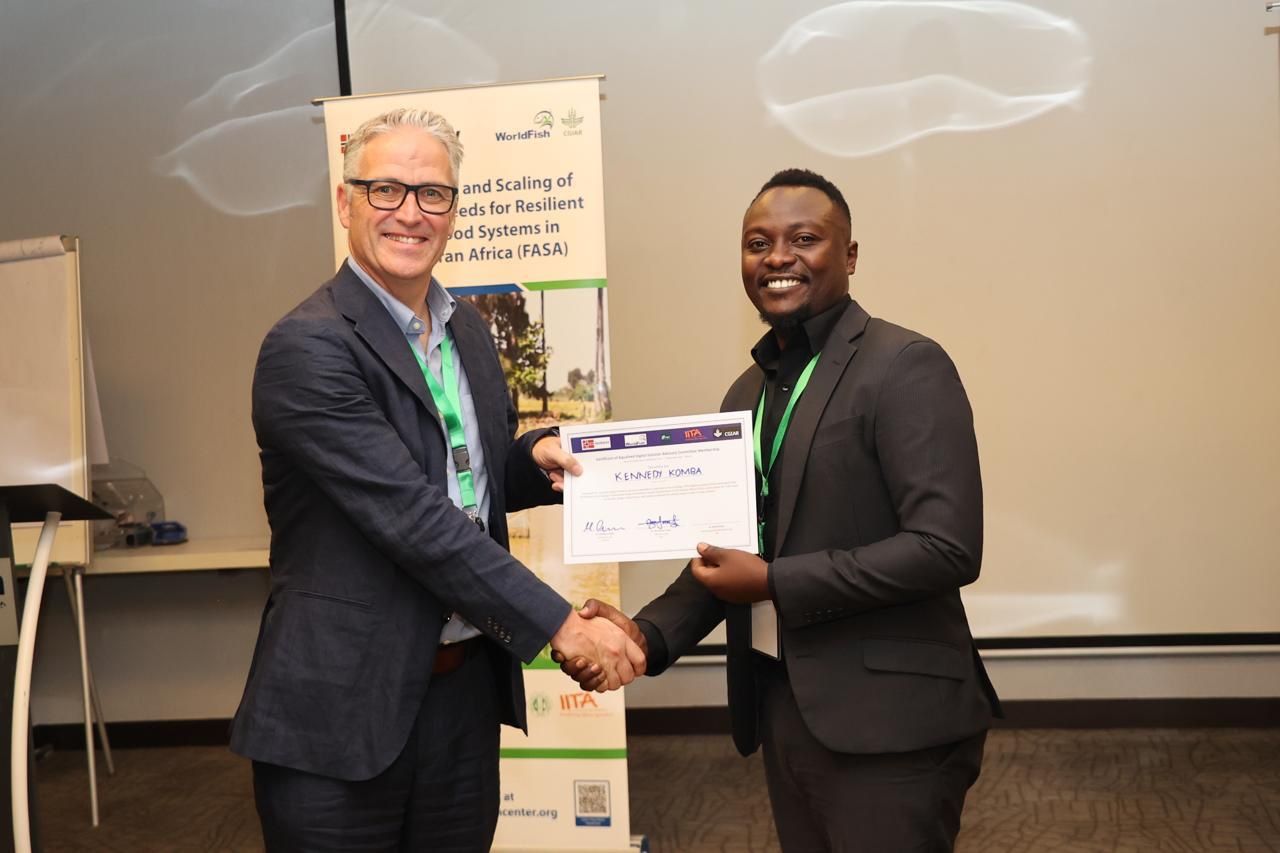
We were represented by COO Kennedy Comba...
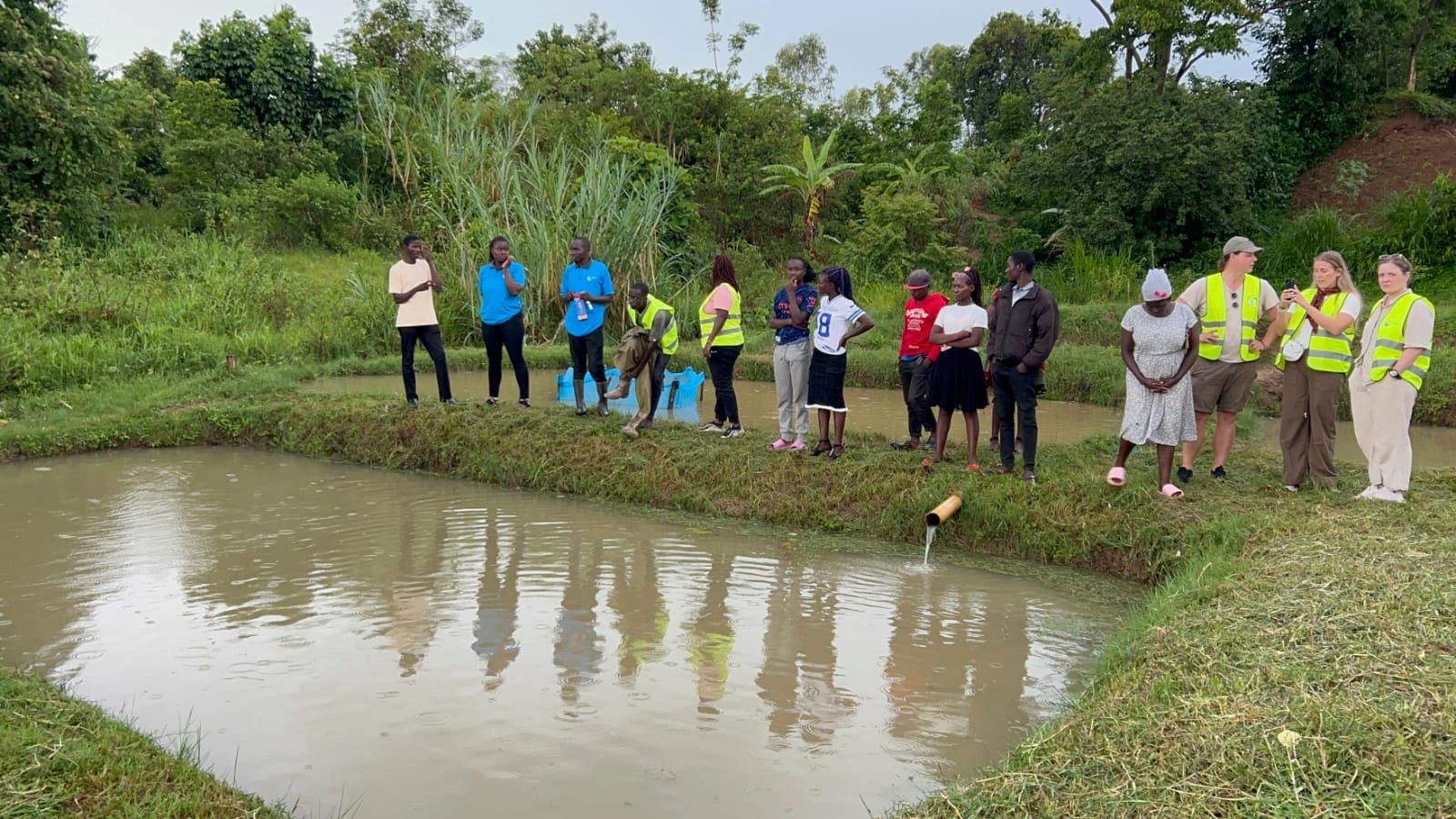
Globally, women make up less than 20% of the aquaculture workforce, and thousands of young people enter emerging markets with limited pathways into sectors like this. Meanwhile, demand for fish continues to rise faster than production systems can keep up.
Over four days in Kenya, we hosted representatives from Jenter i Havbruk, a Norway-based initiative promoting women in aquaculture. Maria Gaasø and Runa Fossum Sæterhaug engaged with local systems—from production at Jumbo Fish Farm, to smallholder-linked value chains at Vemric Fish Processors, including early morning omena(silver cyprinid) harvesting, processing, and market flow, and operations at Viking Feeds.
These experiences grounded discussions in real-world challenges and opportunities. High-level dialogues on policy, finance, digital infrastructure, and investment readiness helped bridge local realities with strategies to scale the sector. The exchange reinforced a key truth: aquaculture’s future depends on who participates.
Through The Aquaculture Consortium(TAC), the visibility created by Jenter i Havbruk is translating into tangible pathways for women and youth—linking them to skills development, enterprises, and broader opportunities. Inclusion alone isn’t enough. Participation must be intentionally designed.
If aquaculture is to meet growing food demand, strengthen livelihoods, and contribute to climate-resilient food systems, what would it look like if we intentionally built aquaculture systems where young people and women are not on the margins but at the centre of growth?
https://www.linkedin.com/feed/update/urn:li:activity:7446897872601804801
#Aquaculture #BlueEconomy #WomeninAquaculture #Kenya #Norway #GlobalPartnerships #SustainableFoodSystems
We were represented by COO Kennedy Comba...
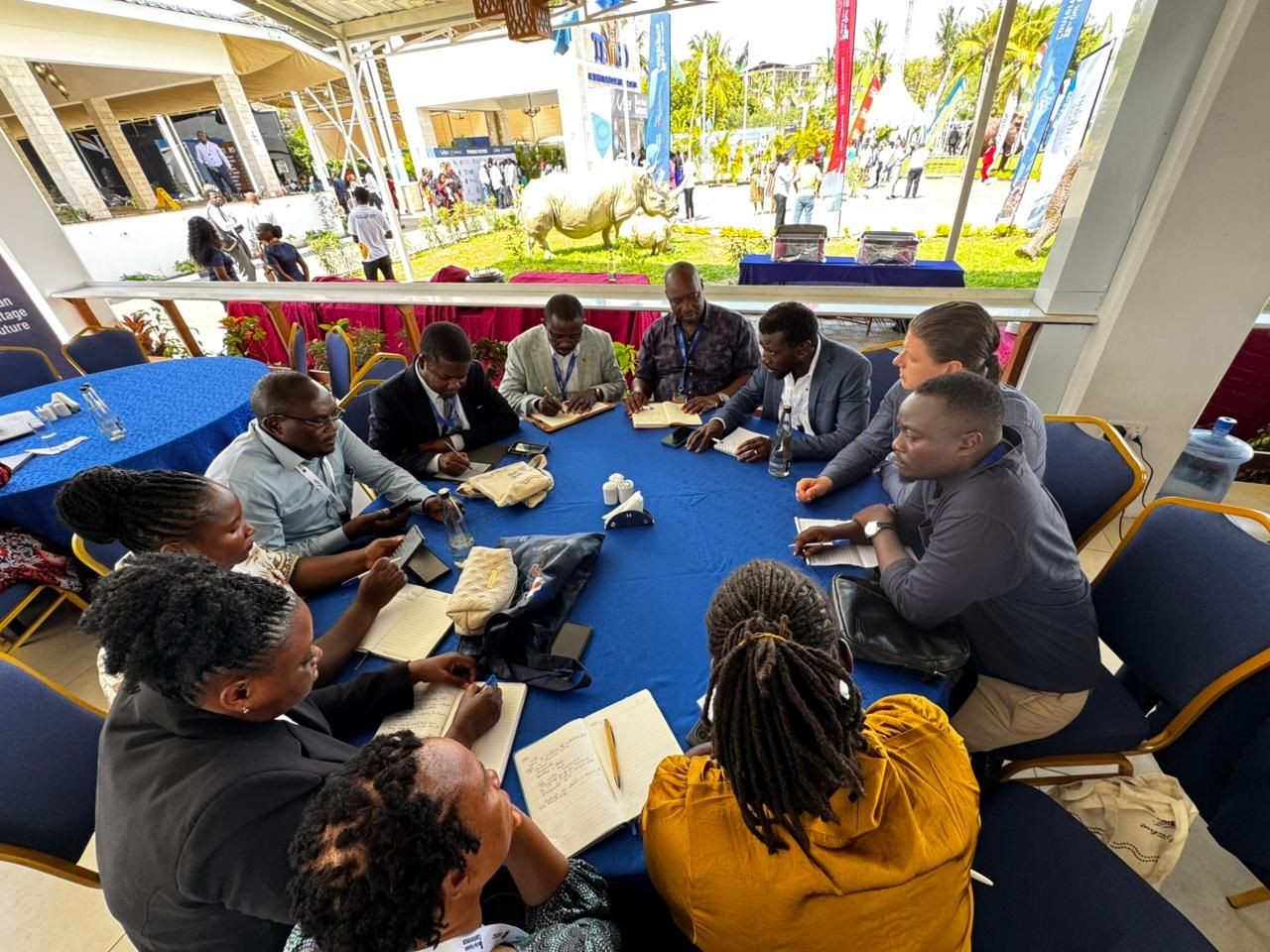
During #OurOceanKenya, we had a producti...
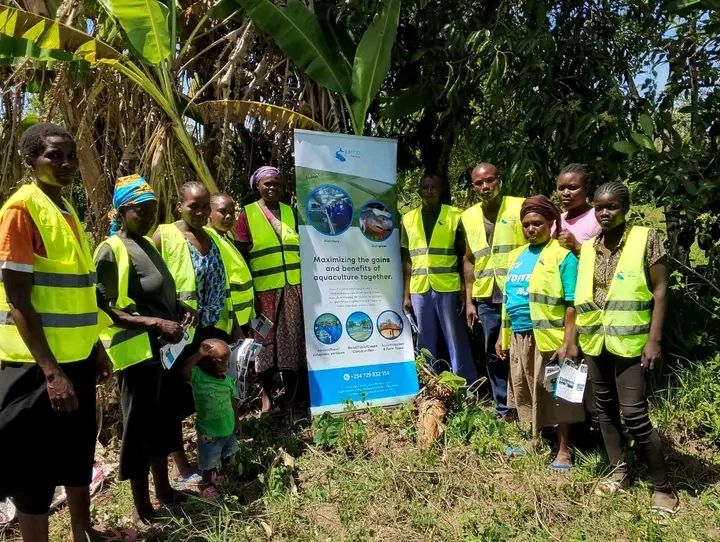
Aquaculture has never had a shortage of ...
Unlocking the potential of Kenya's aquaculture through strategic partnerships and sustainable innovation.
Partner With Us